
BIBINGKA
“Bibingka” premiered in Sophiensaele’s 30th Anniversary of Tanztage Berlin, a project co-produced by Sophiensæle and Künster*innenhaus Mousonturm. With the kind support of Goethe Institut Philippinen Performance Ecologies.
Premiere: January 8–9, 2026
Format: Solo Dance Theatre Show
Co-production: Alvin Collantes, Sophiensæle, and Künstlerhaus Mousonturm
Funding: Senate Department for Culture and Social Cohesion, Berlin
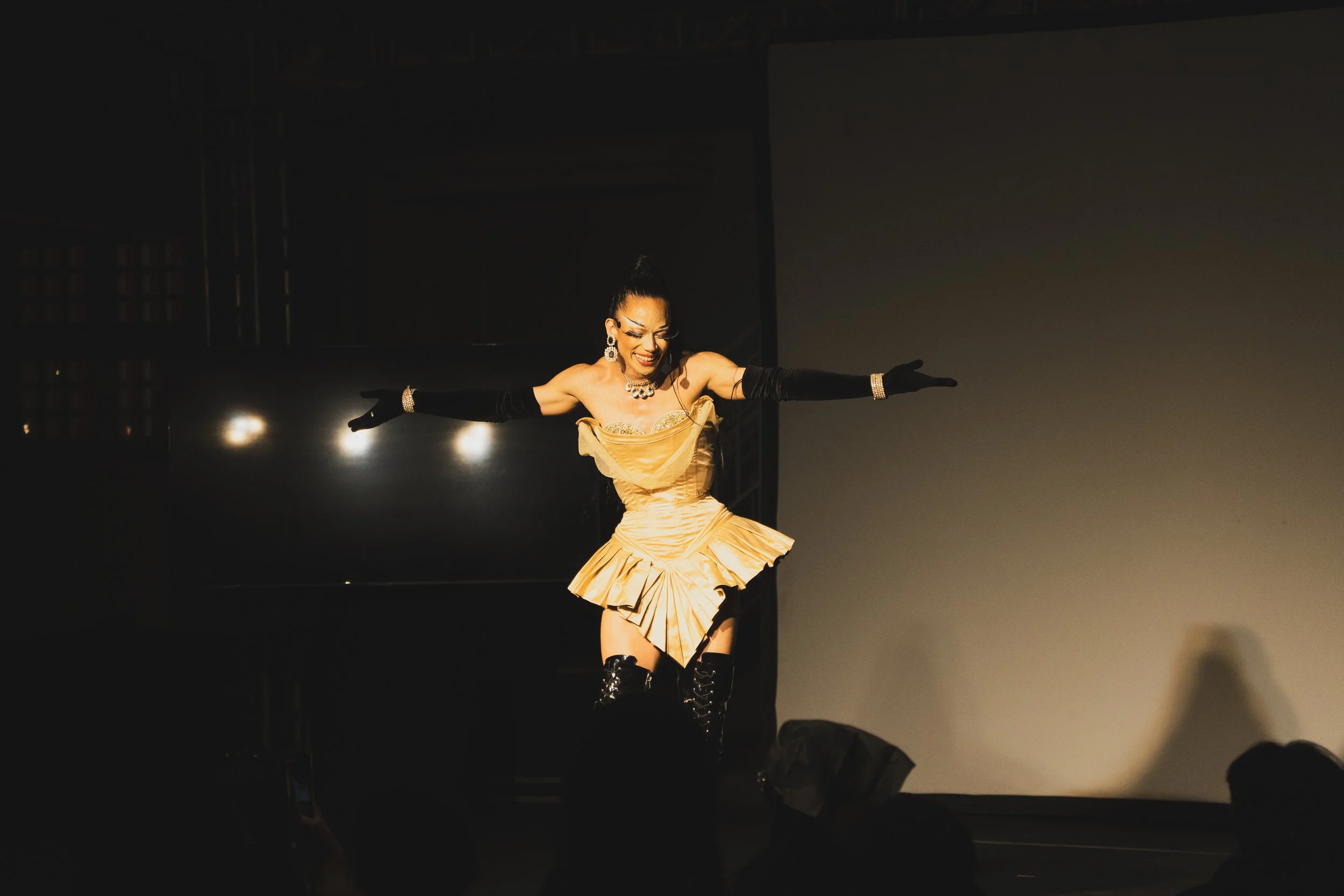
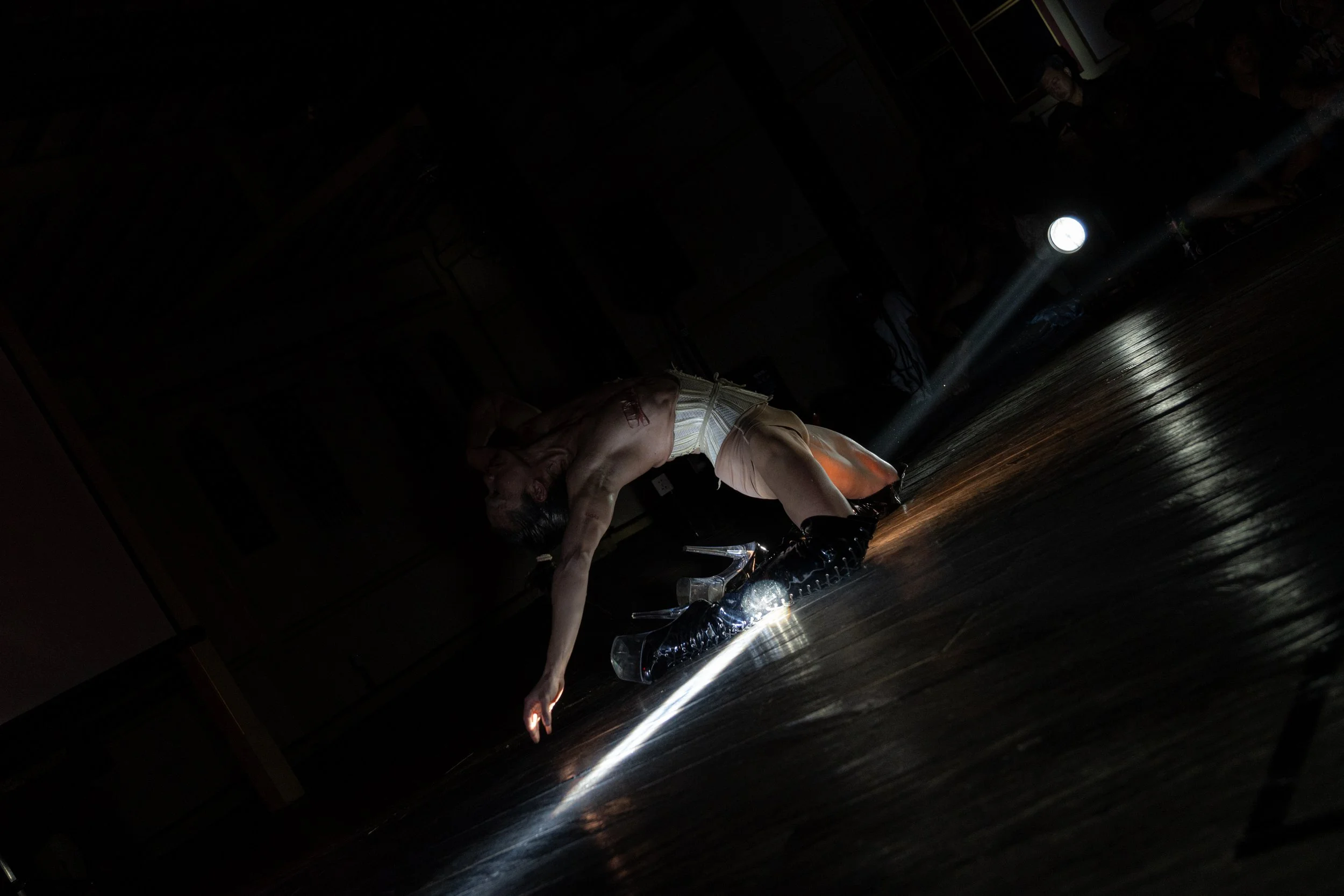
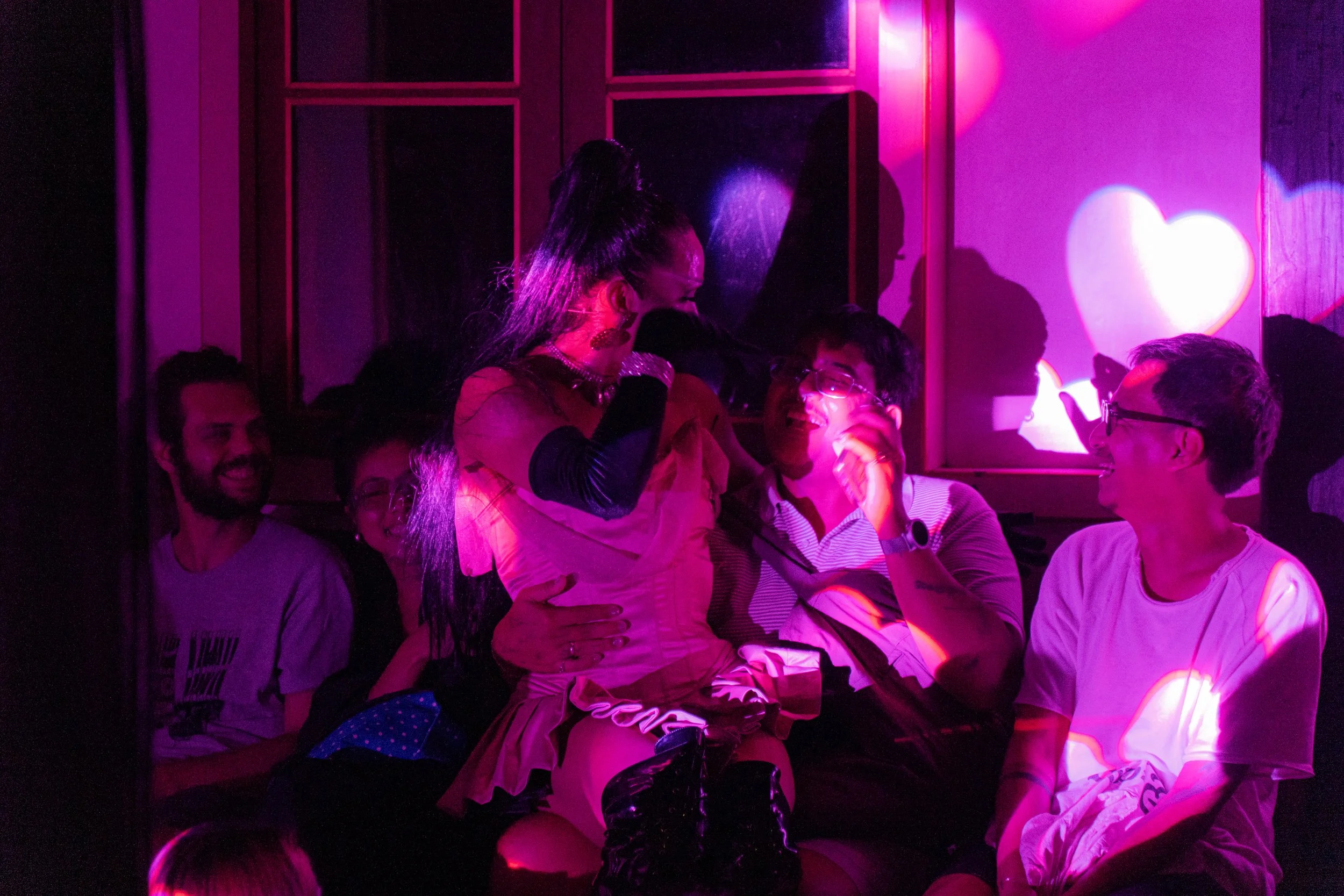
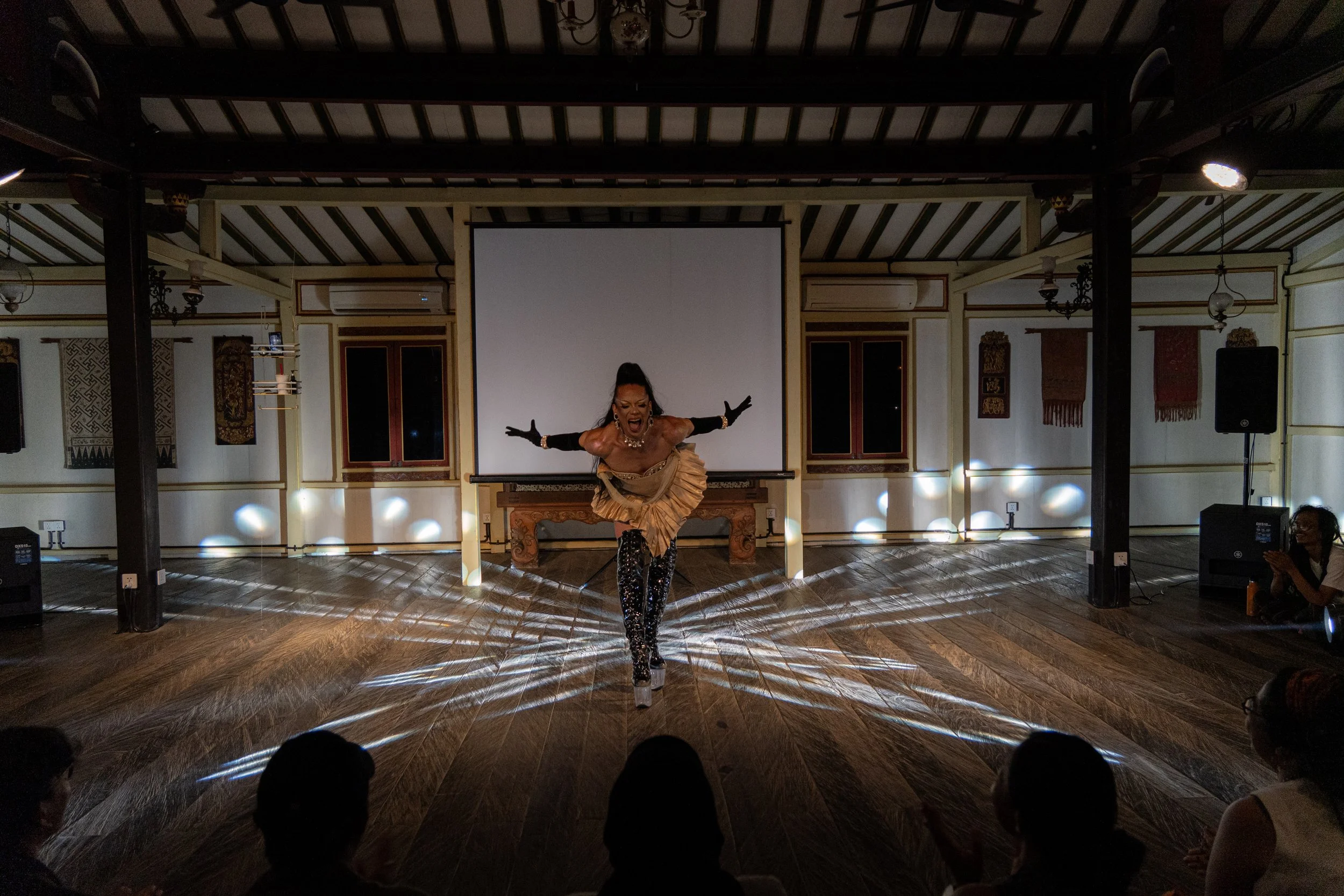
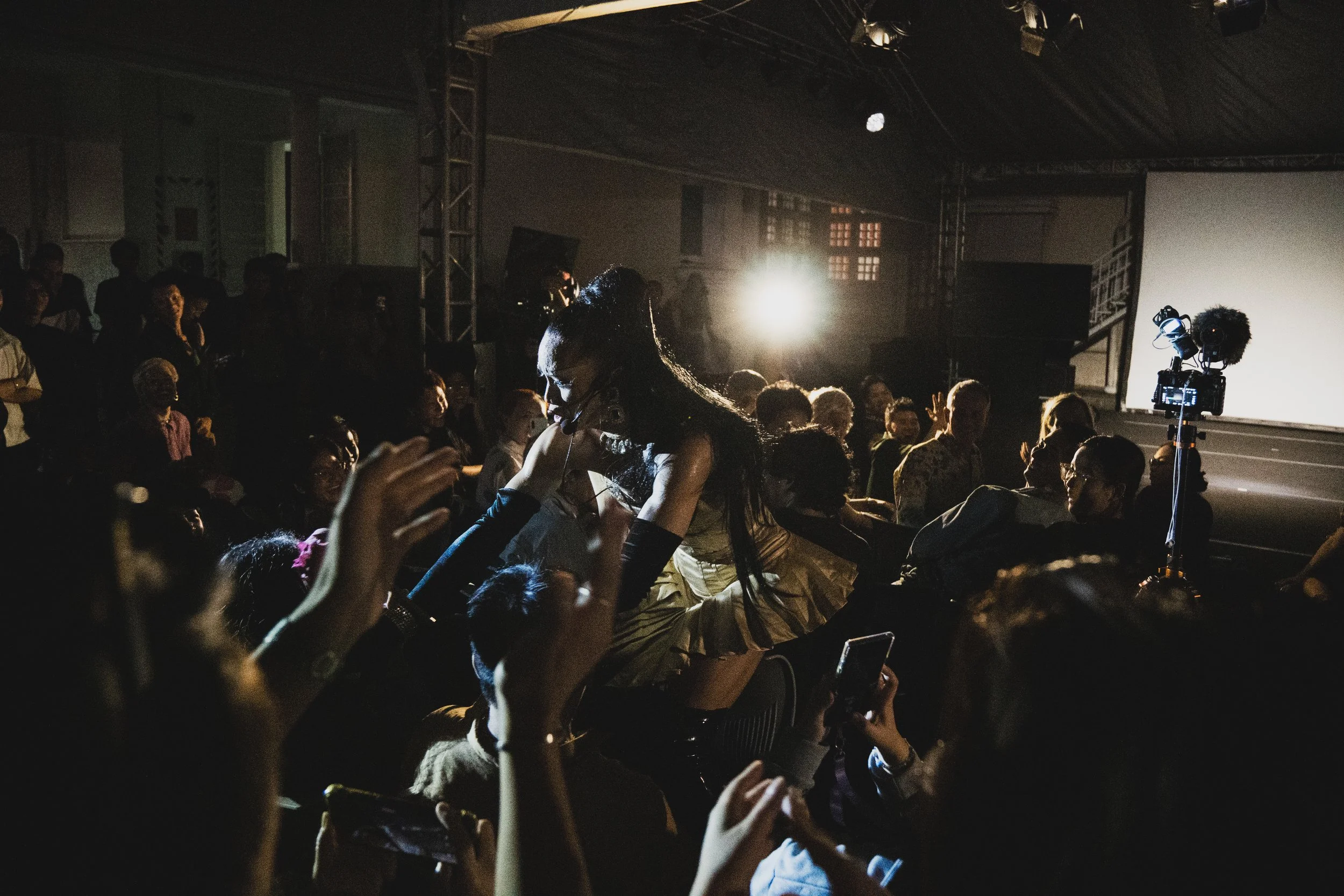
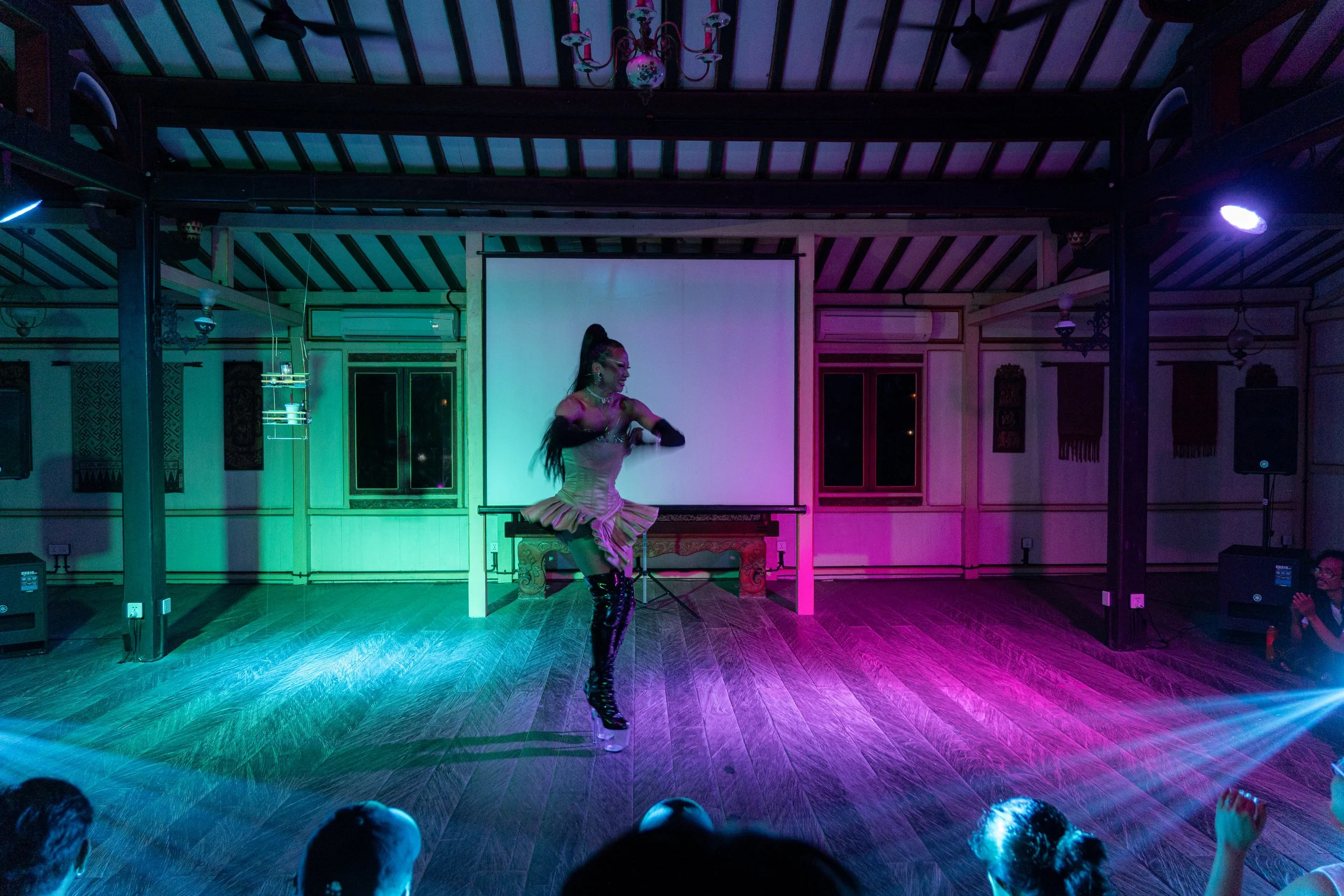
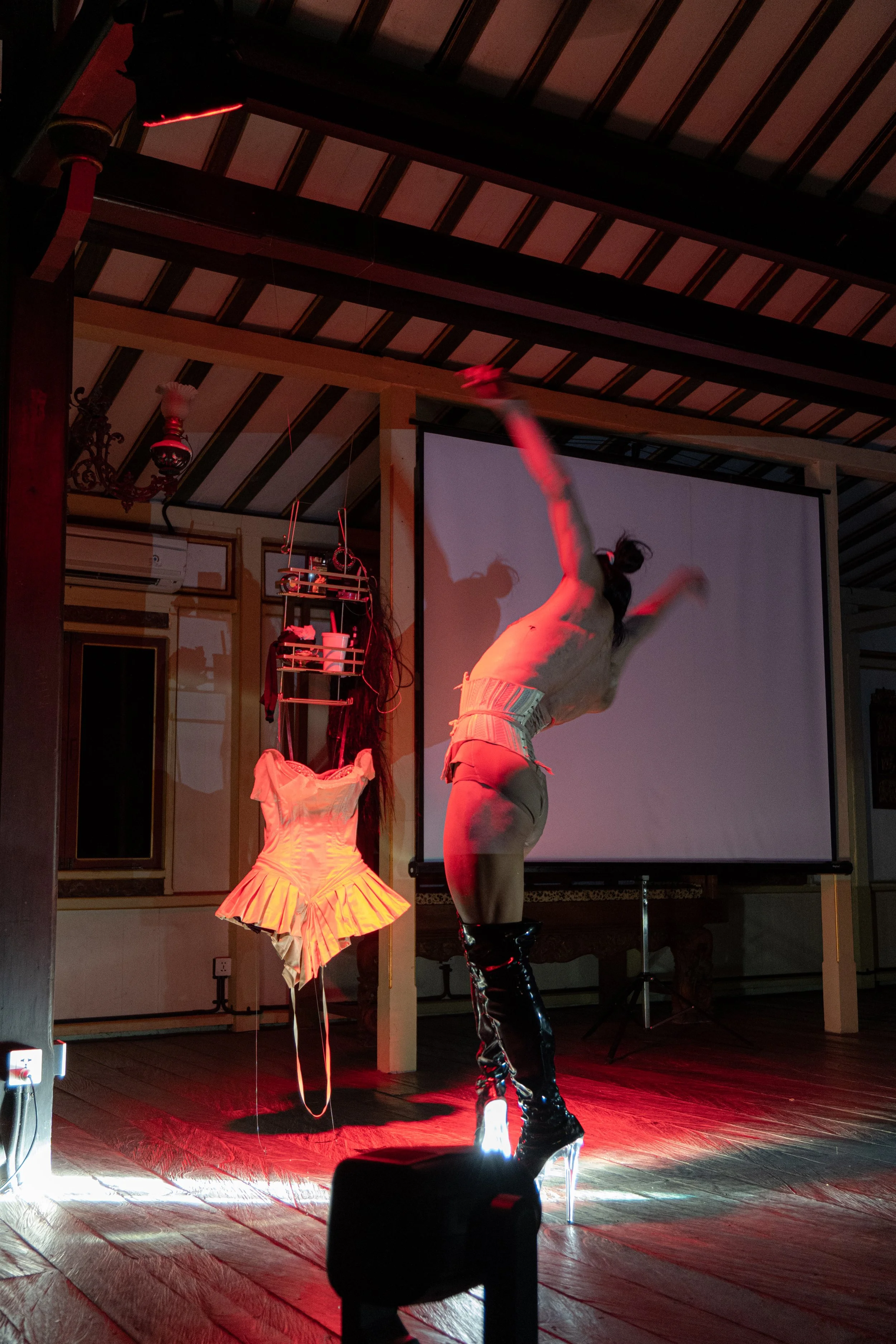
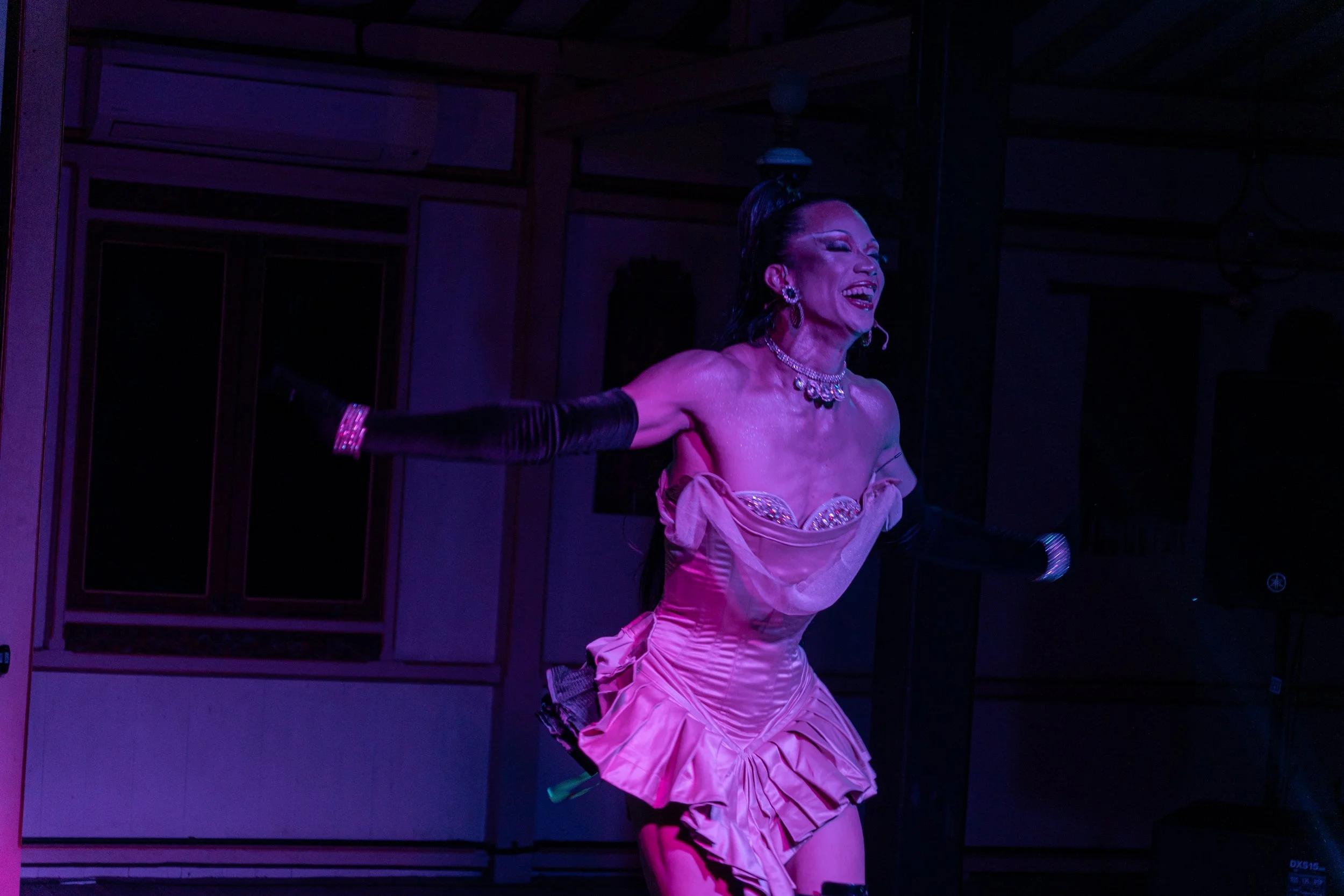
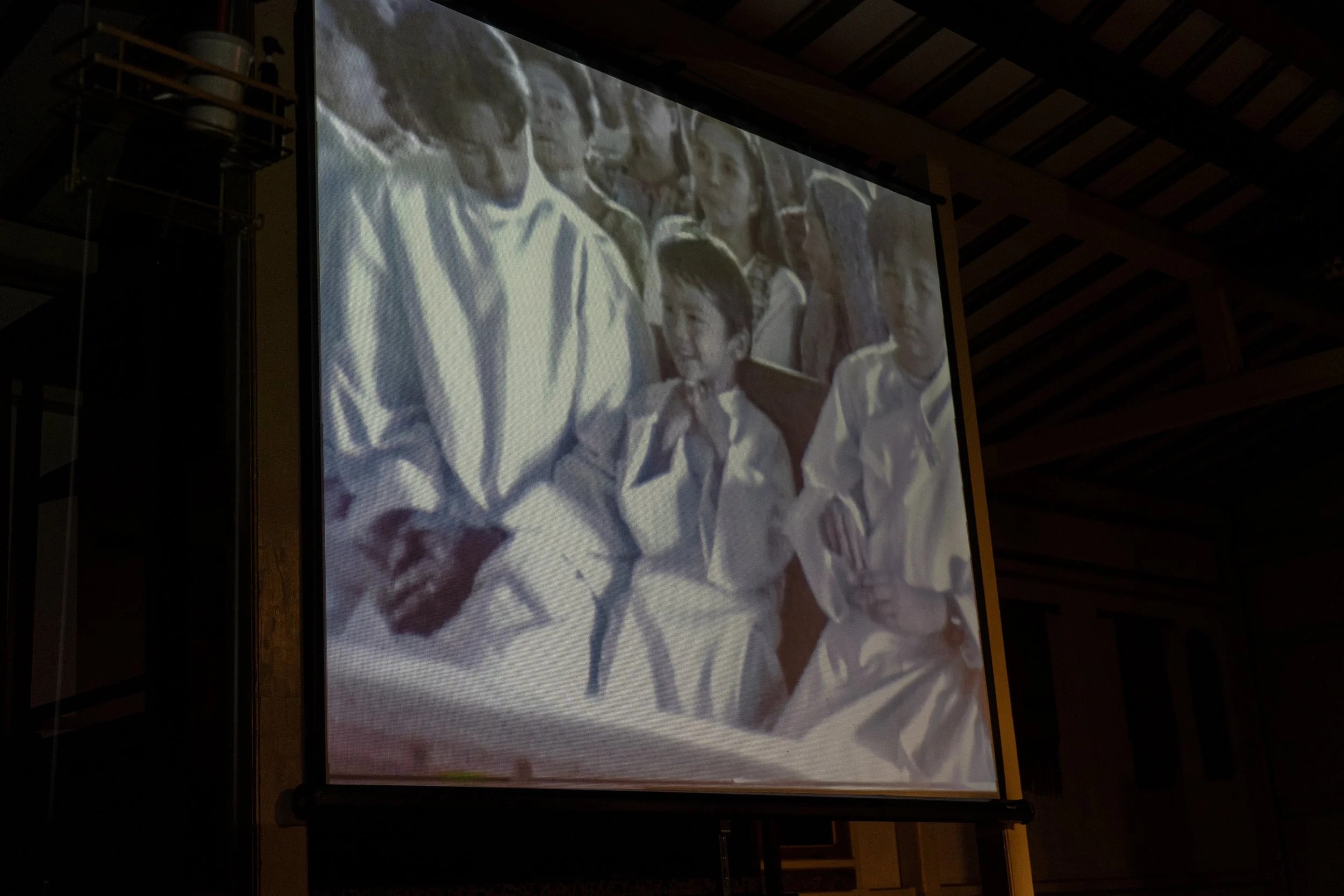
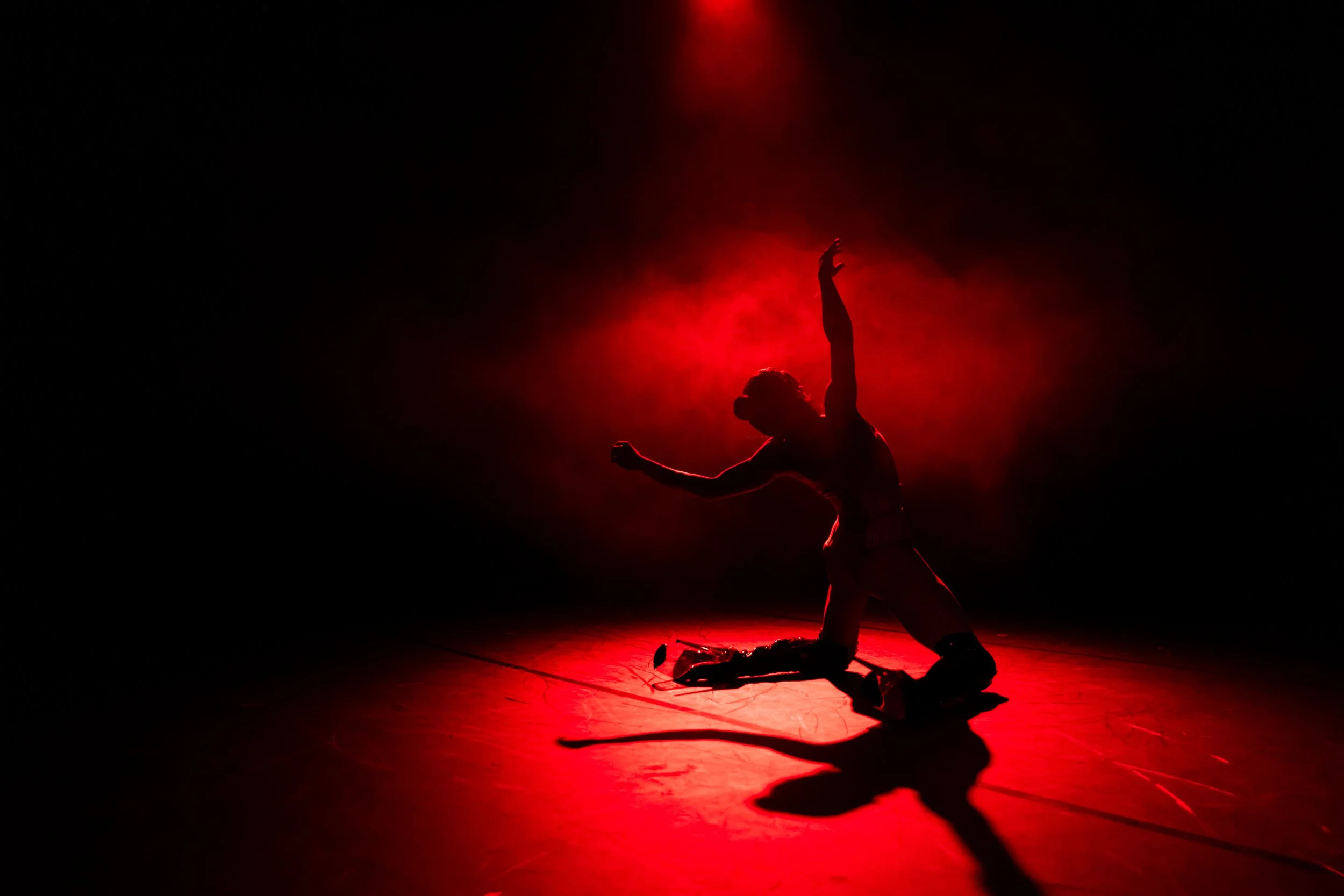
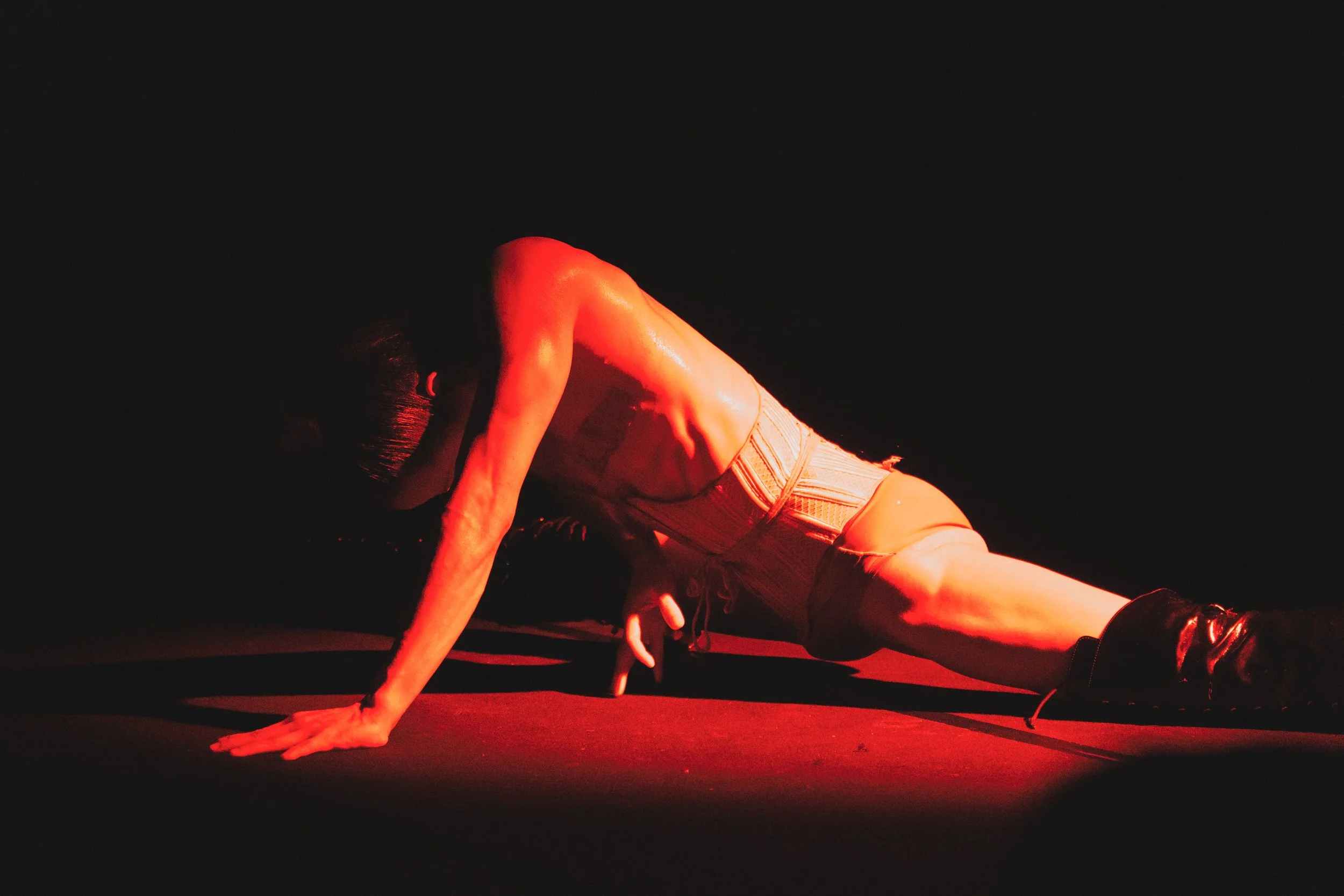
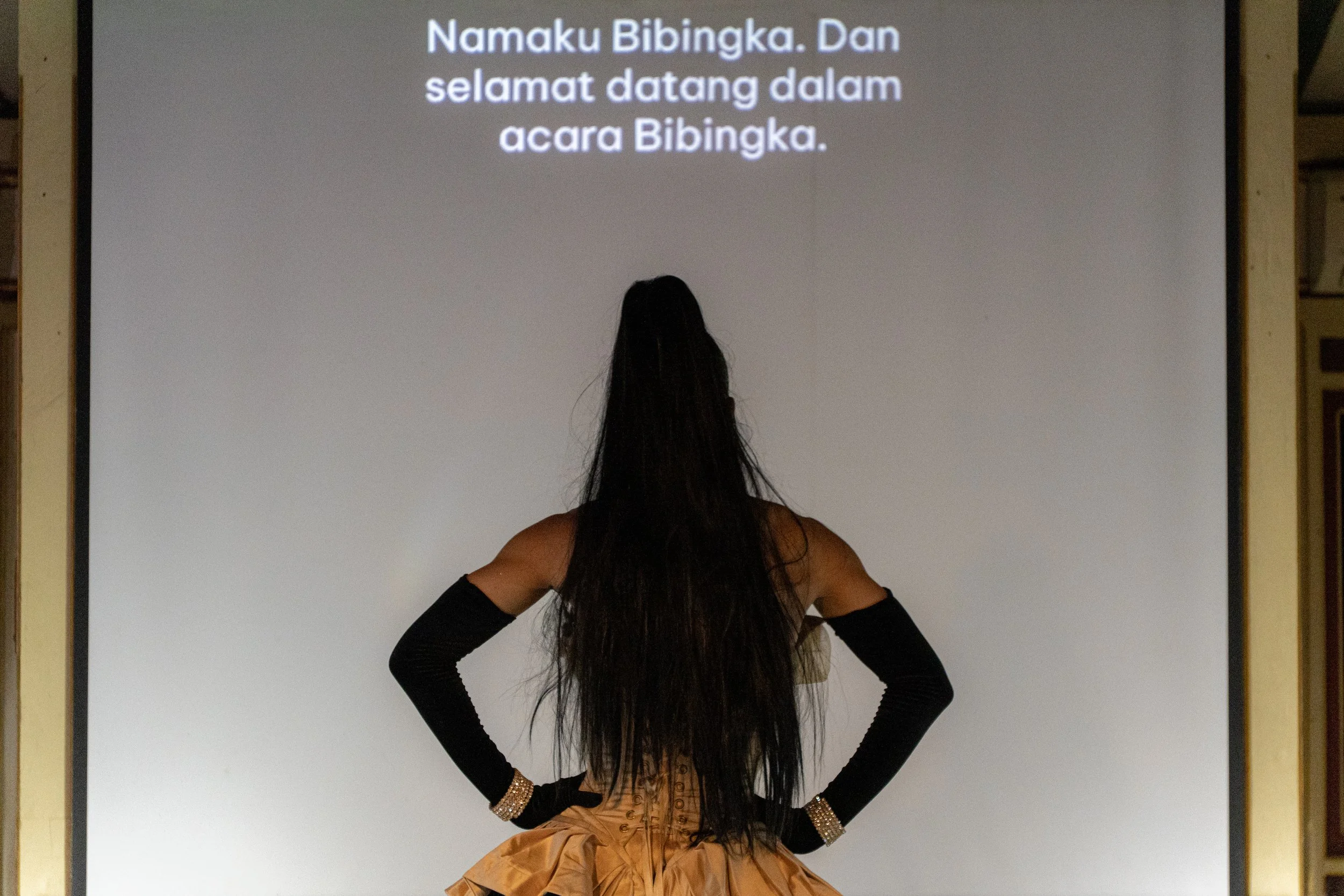
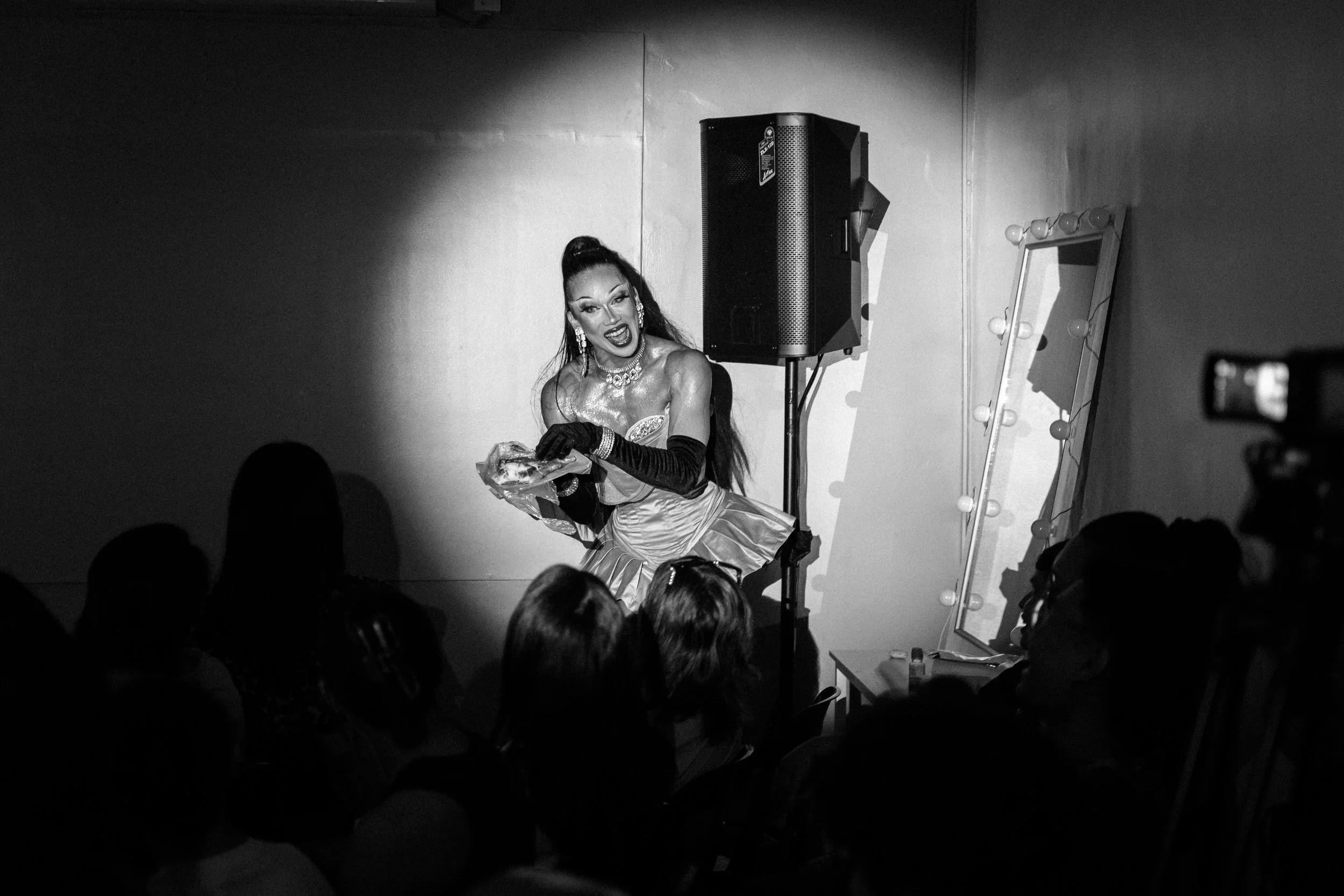
Bibingka brings together spectacle, sanctuary and autobiographical storytelling in a choreographic exploration of Filipino migration, queer visibility and the performance of service. Named after the traditional Filipino rice cake and the artist’s drag persona, the work uses Bibingka as a metaphor for cultural memory, identity formation and worldbuilding.
Drawing on the Filipino concept of Kapwa ("the shared self"), the performance examines the parallels between Filipino migrant care workers and drag performers—bodies that provide care, fulfill expectations, and simultaneously strive for self-determination. Moving between OPM love songs, drag, ritual, and contemporary dance, Bibingka creates a contested space where vulnerability, glamour, and collective care become strategies for survival. Conceiving performance as a site of encounter, the work invites audiences to experience community as a lived and embodied practice.
Premiere: January 8–9, 2026, as part of the 30th anniversary edition of Tanztage Berlin at Sophiensæle.
Presentations:
Goethe-Institut “Dealing in Distance Mini Traveling Festival”
Ho Chi Minh, Vietnam (2026)
Bali, Indonesia (2026)
Manila, Philippines (2026)
Artistic Team:
Concept, Choreography, Performance, Sound Design: Alvin Collantes
Artistic Advisor, Rehearsal Direction: Rubén Nsue
Light Director: Haesoo Eshu Jung
Dramaturgical support: Nima Séne and Leander Ripchinsky
Media: Gaia Bernabe-Belvis
Special Thanks to Emerging Islands Philippines, Linangan Residency, Orange Project Bacolod, Performance Ecologies, Schwules Museum
Funded by the Senate Department for Culture and Social Cohesion. With the kind support of Tanzfabrik Berlin e.V., Theaterhaus Berlin and HZT Berlin. Media partners: Berlin Art Link, Missy Magazine, Rausgegangen, Siegessäule, taz.
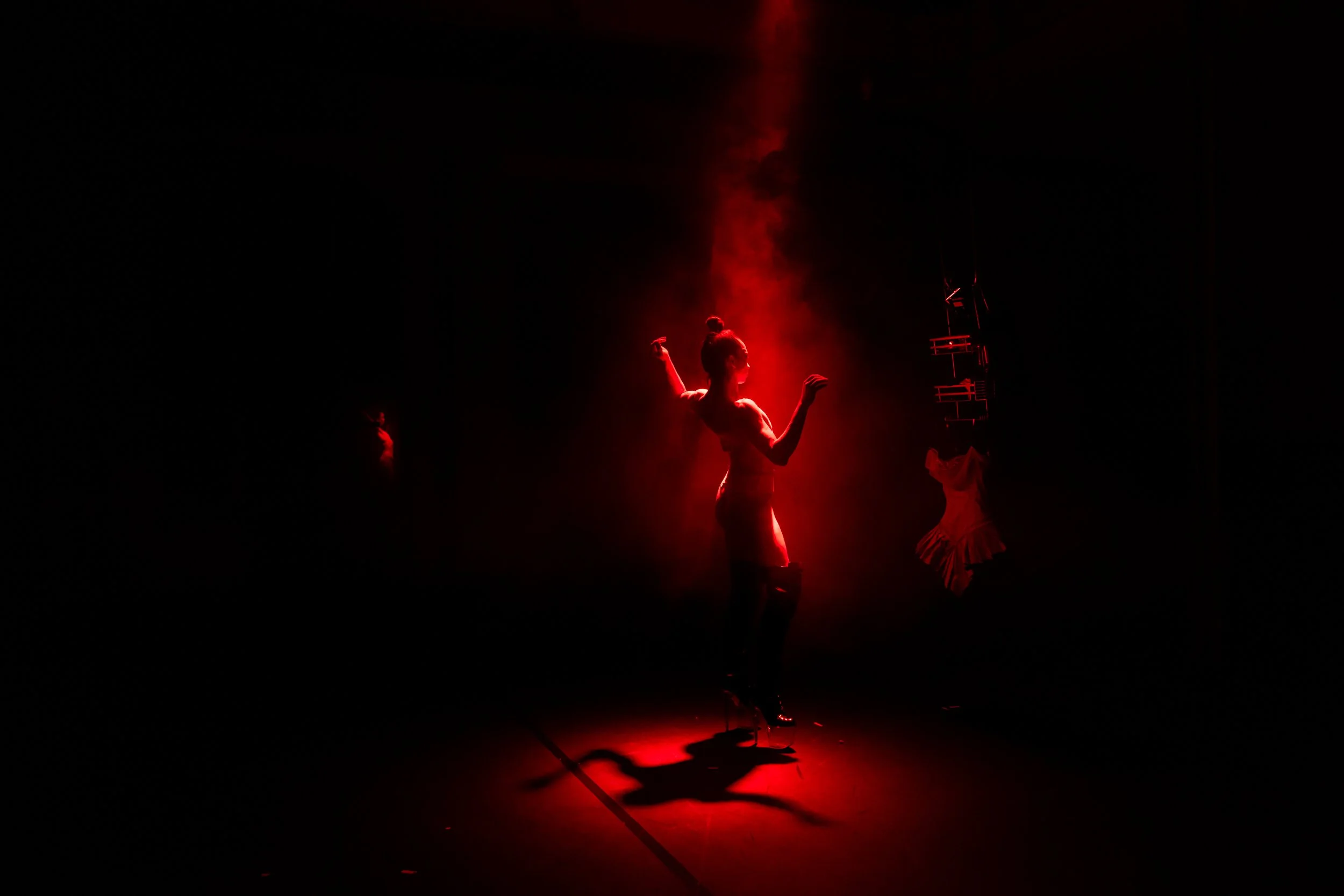
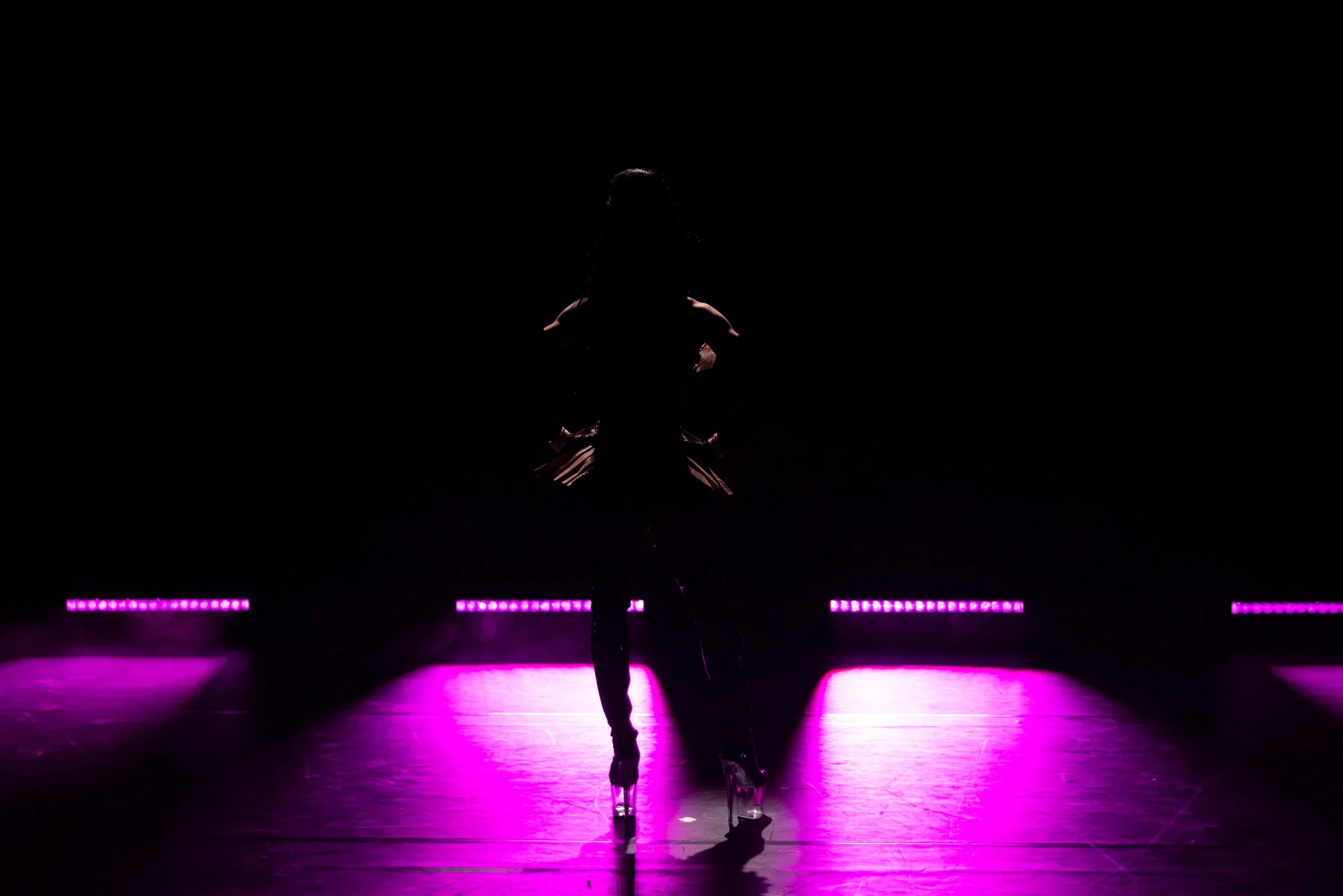
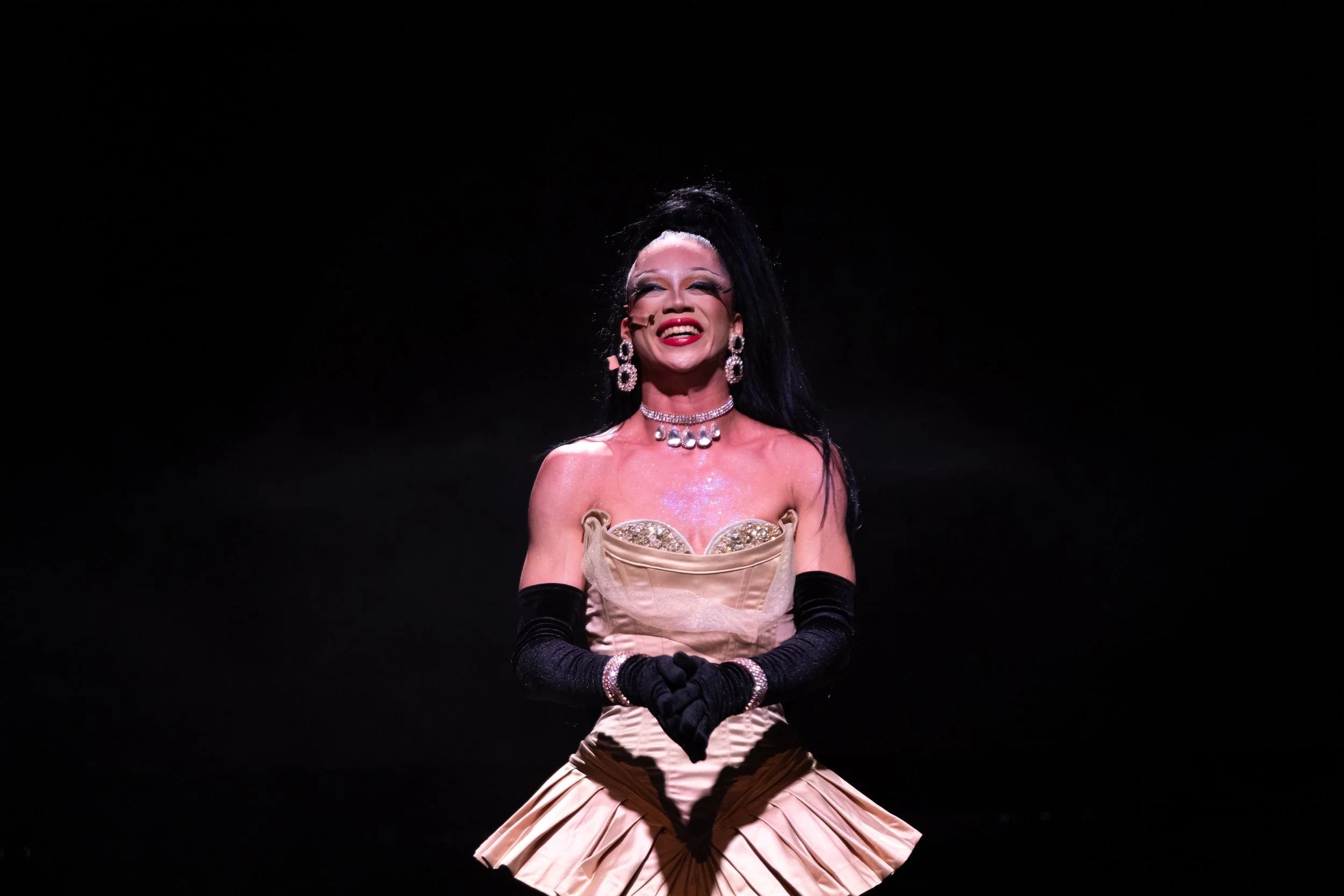
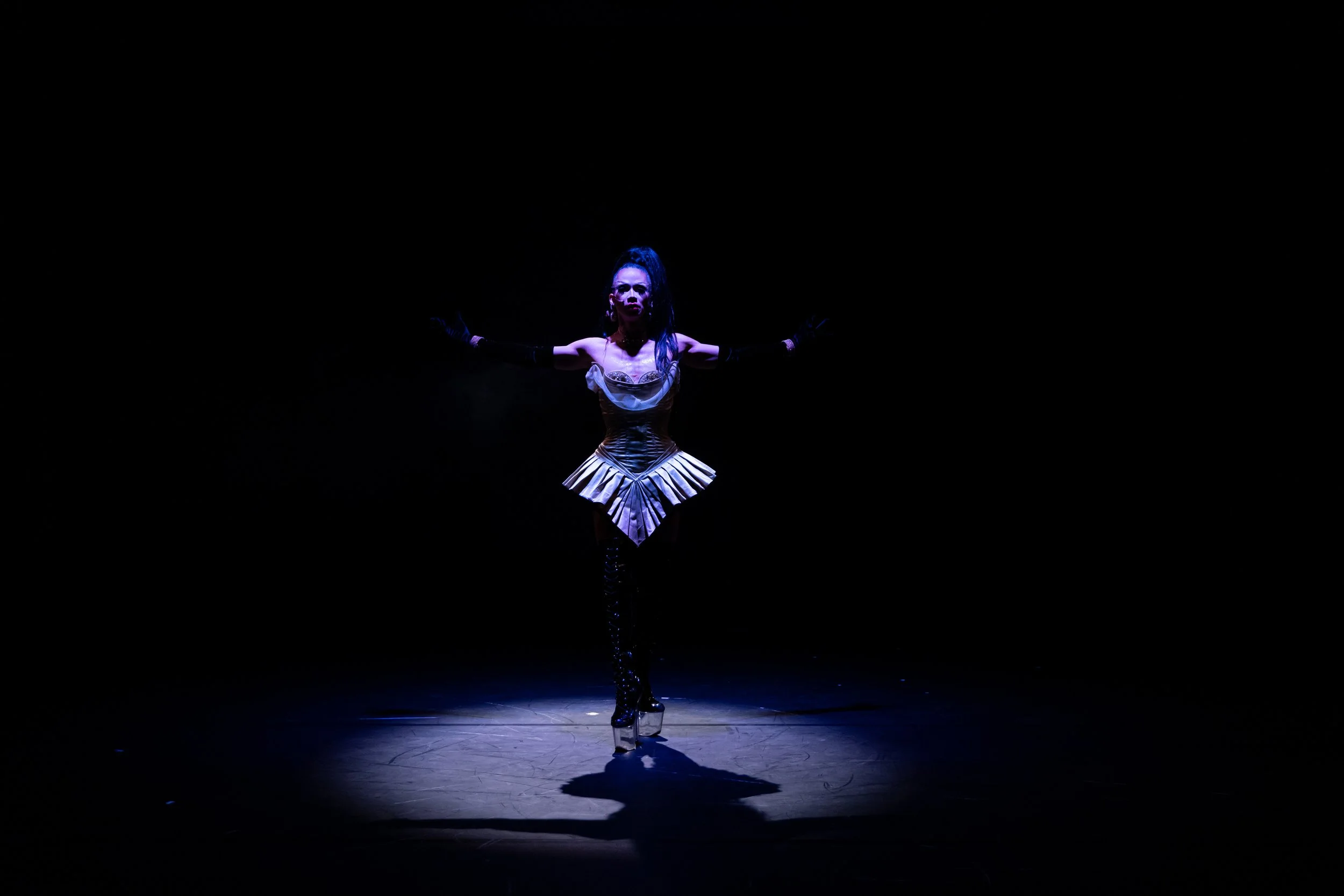
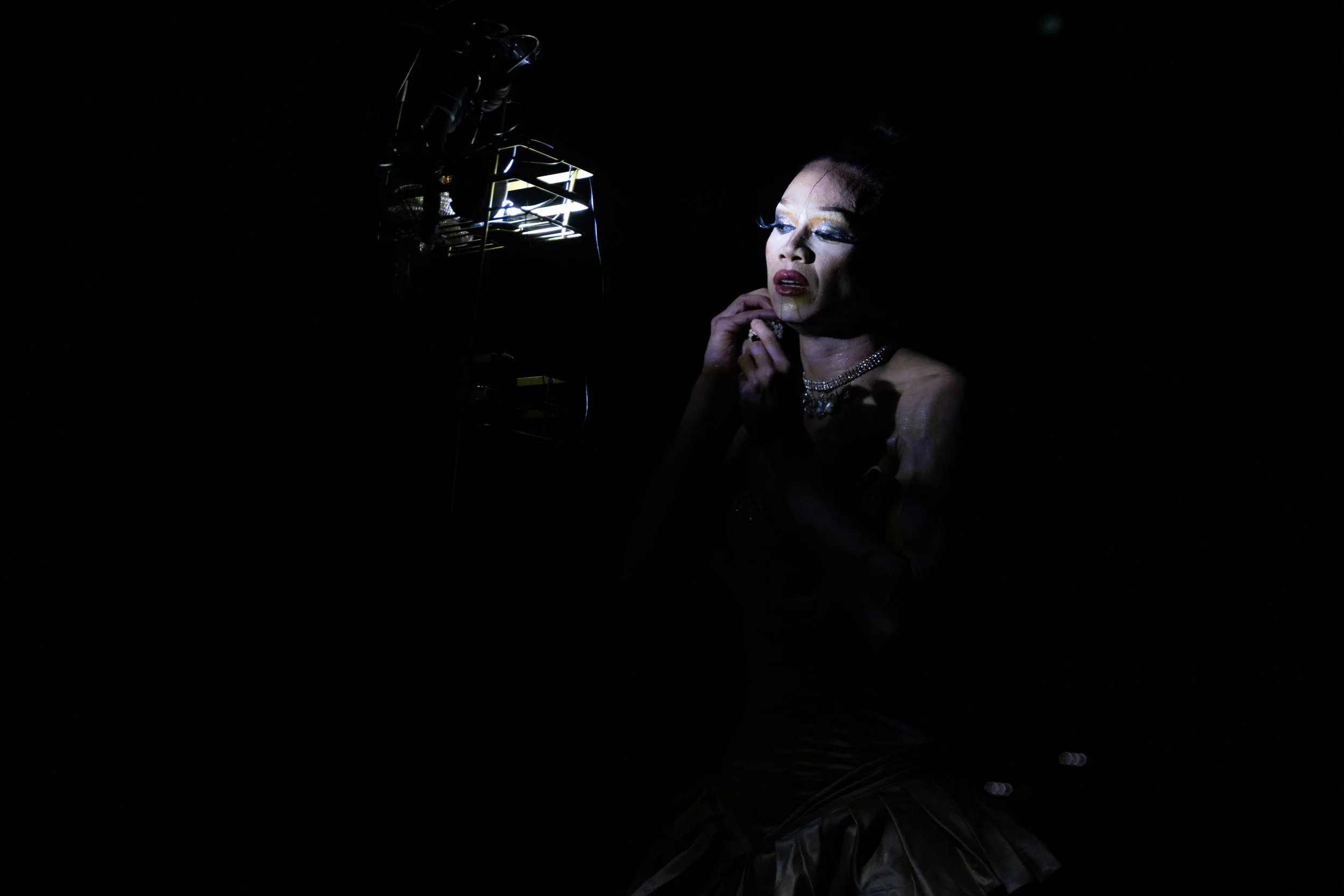
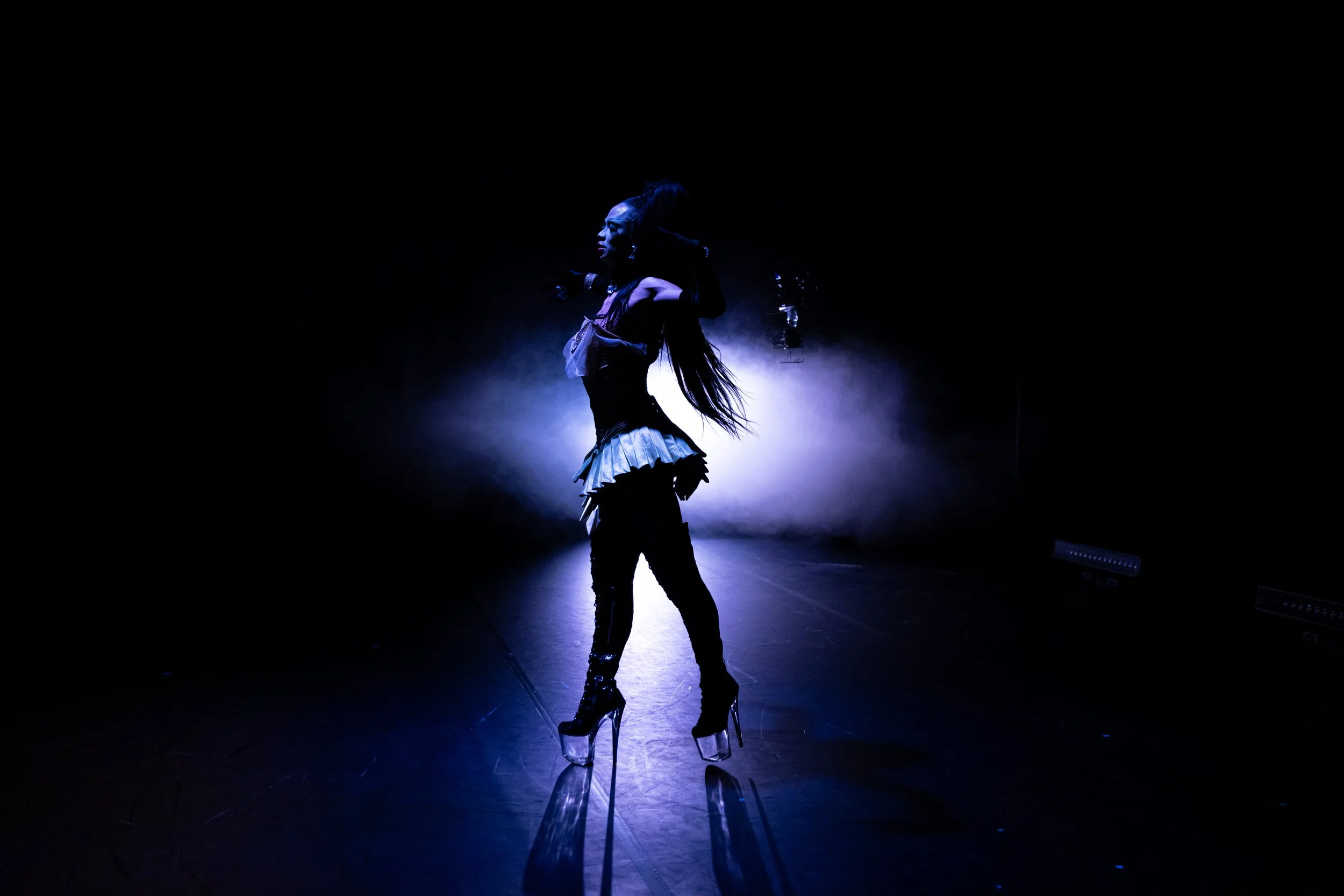
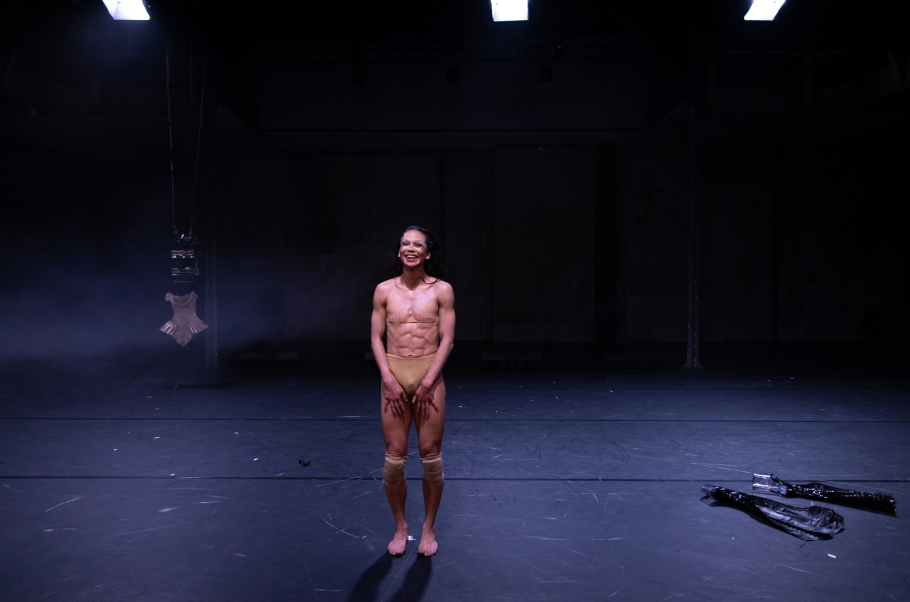
Berlin Premiere Photos by Mayra Wallraff
Running Time: 75 minutes
Genre: Contemporary Dance, Live Video, Story Telling & Drag
We are currently looking for venue partners and festival programmers to tour the work internationally
Password: 2004.0426
PRESS & REVIEWS
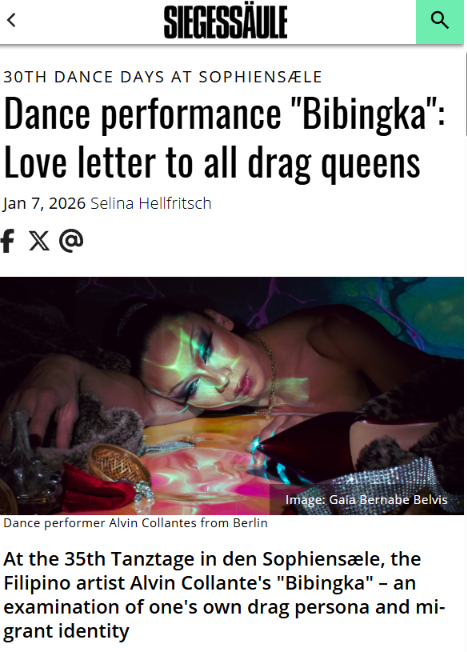
Ahead of its premiere, SIEGESSÄULE, Berlin's leading LGBTQ+ cultural magazine, featured Bibingka as "a love letter to all drag queens who hold the queer community together—and deserve to be held themselves." The article praised the work's intimate encounter between Alvin Collantes and their drag persona, describing it as "a rare glimpse" that reveals the vulnerability beneath drag while connecting queer performance, Filipino migrant experience, and practices of care.
The premiere of Bibingka received positive critical attention. In its review of Tanztage Berlin 2026, Springback Magazine praised Alvin Collantes as "a charming performer" and described the work as gradually revealing "what lies beneath their flamboyant persona."
The review highlighted the piece's emotional resonance with audiences and concluded that "the moments of collective pleasure Collantes does generate are not ones I'll forget in a hurry," calling the audience dancing together during the finale "undoubtedly a highlight" of the festival.
Art Nation (Vietnam) reviewed Bibingka as a nuanced exploration of identity through the performative act of "undrag."
The review highlighted the work's intertwining of autobiography, drag performance, migration, and embodied memory, emphasizing how the performance transforms personal vulnerability into a shared, reflective experience for audiences
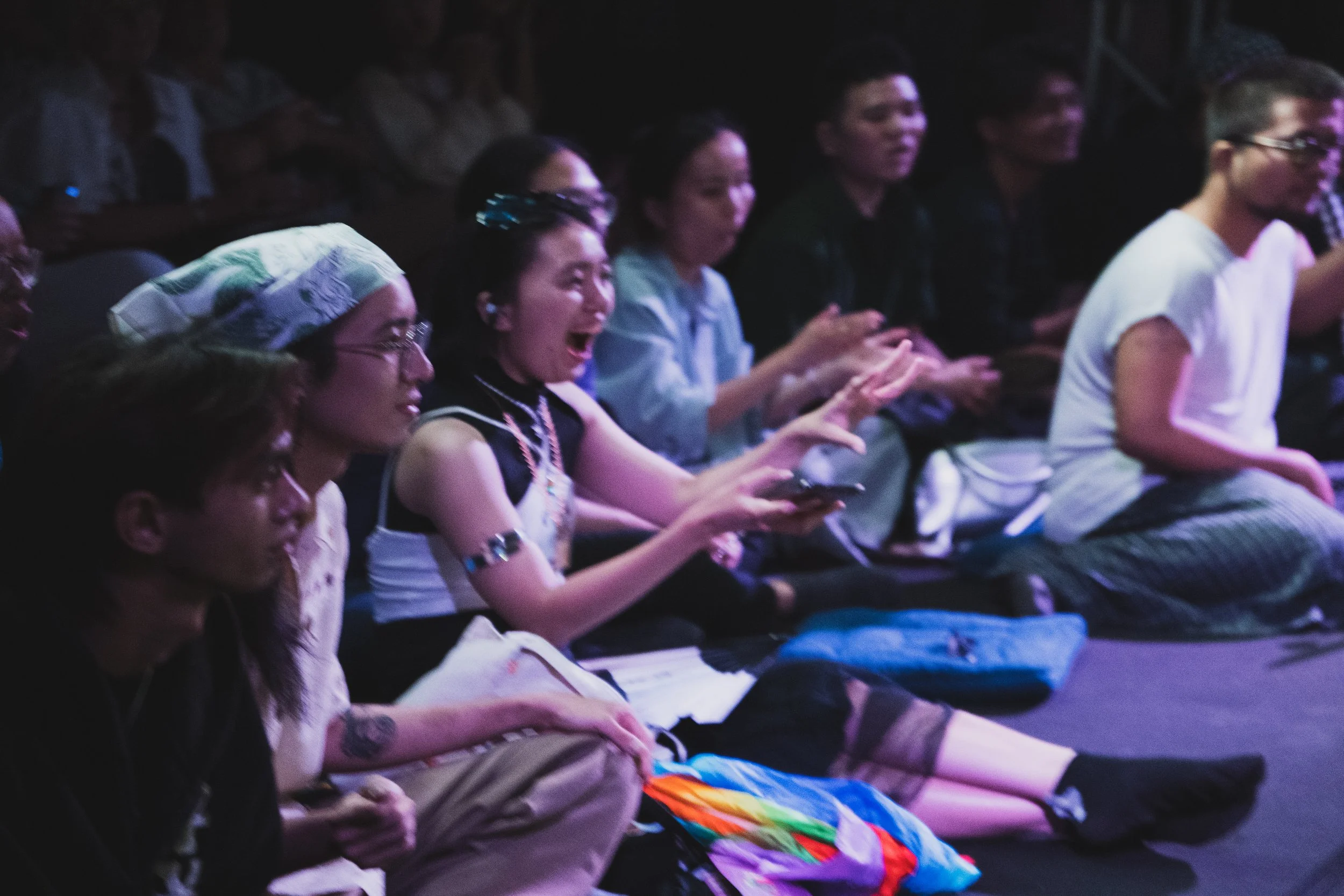
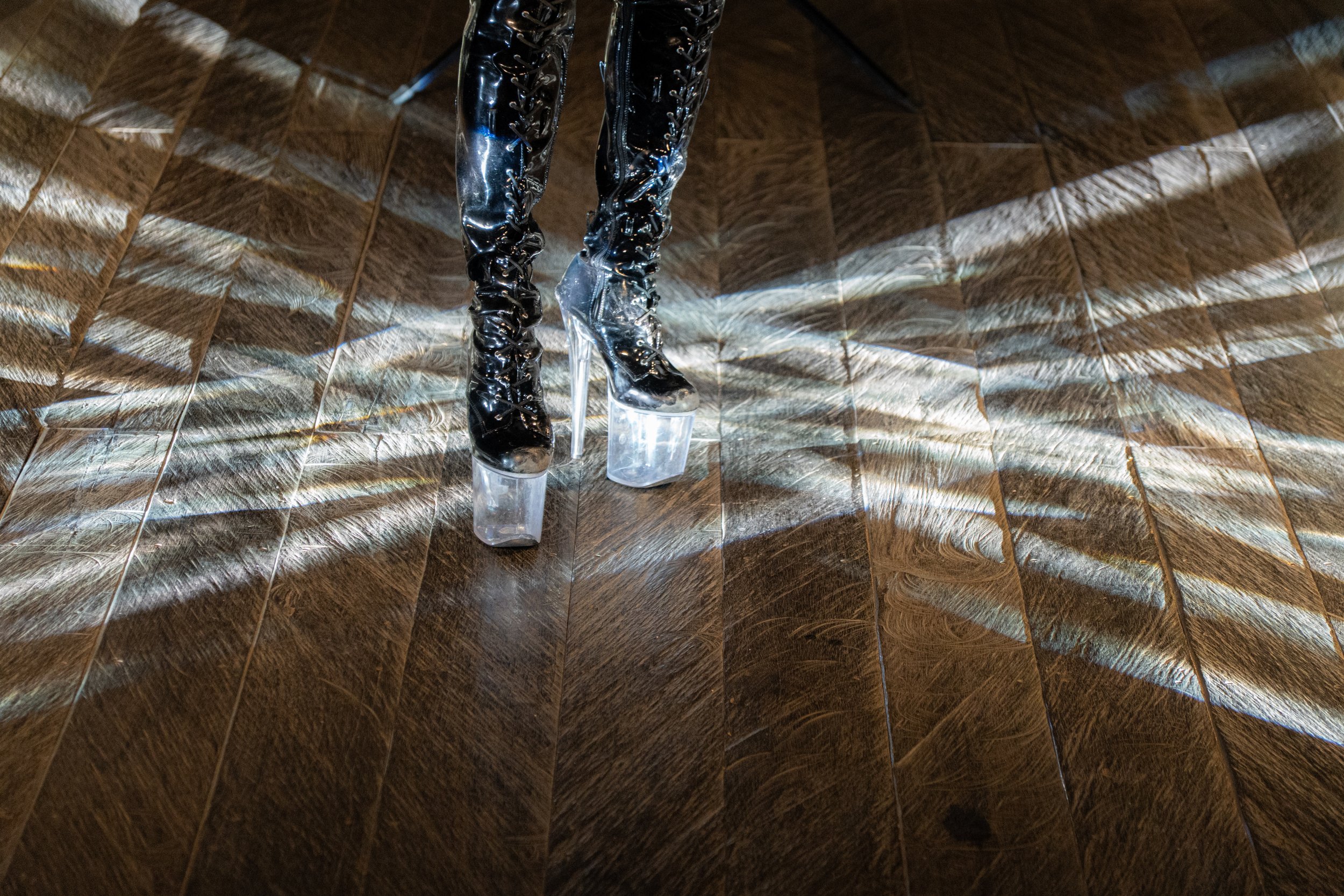
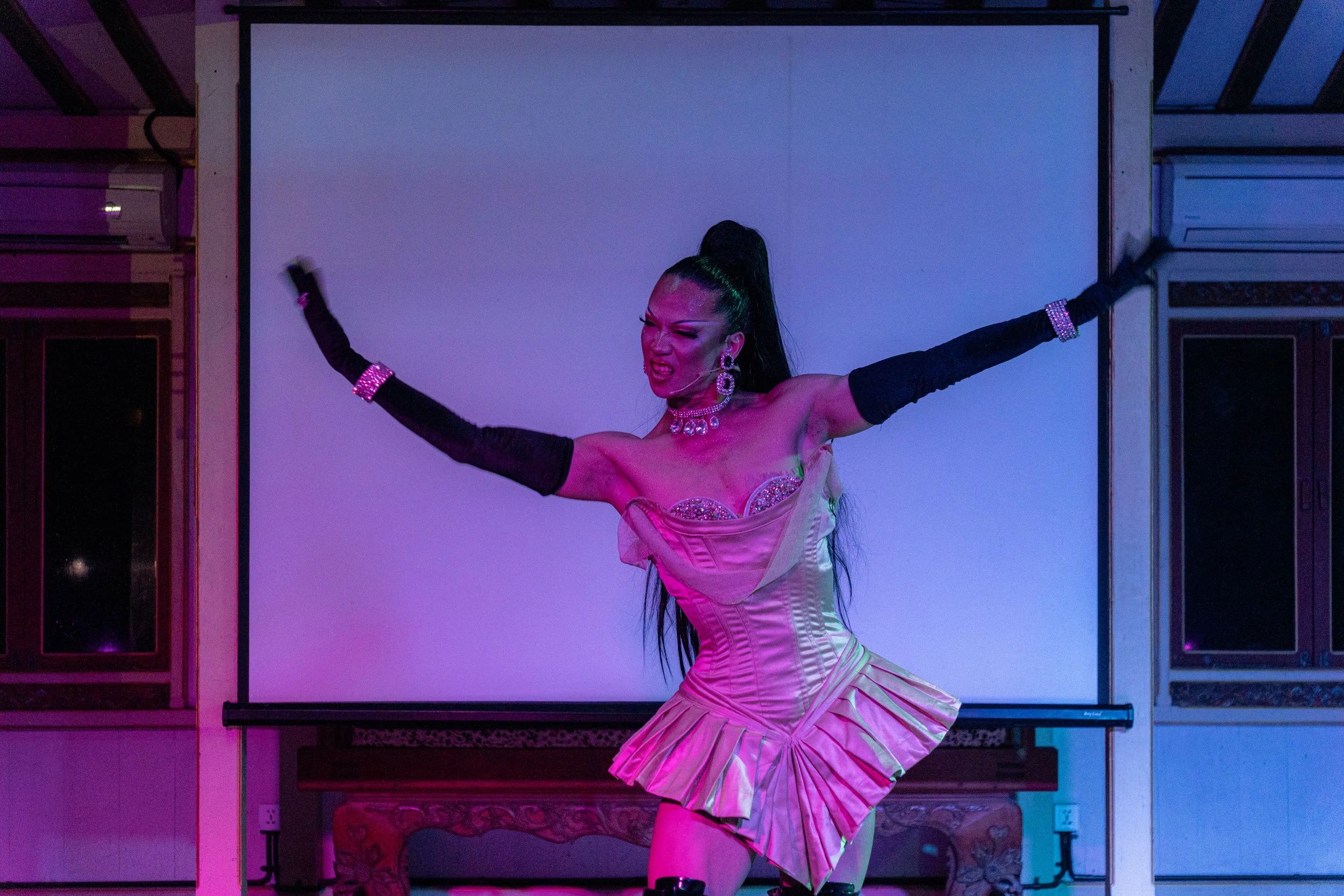
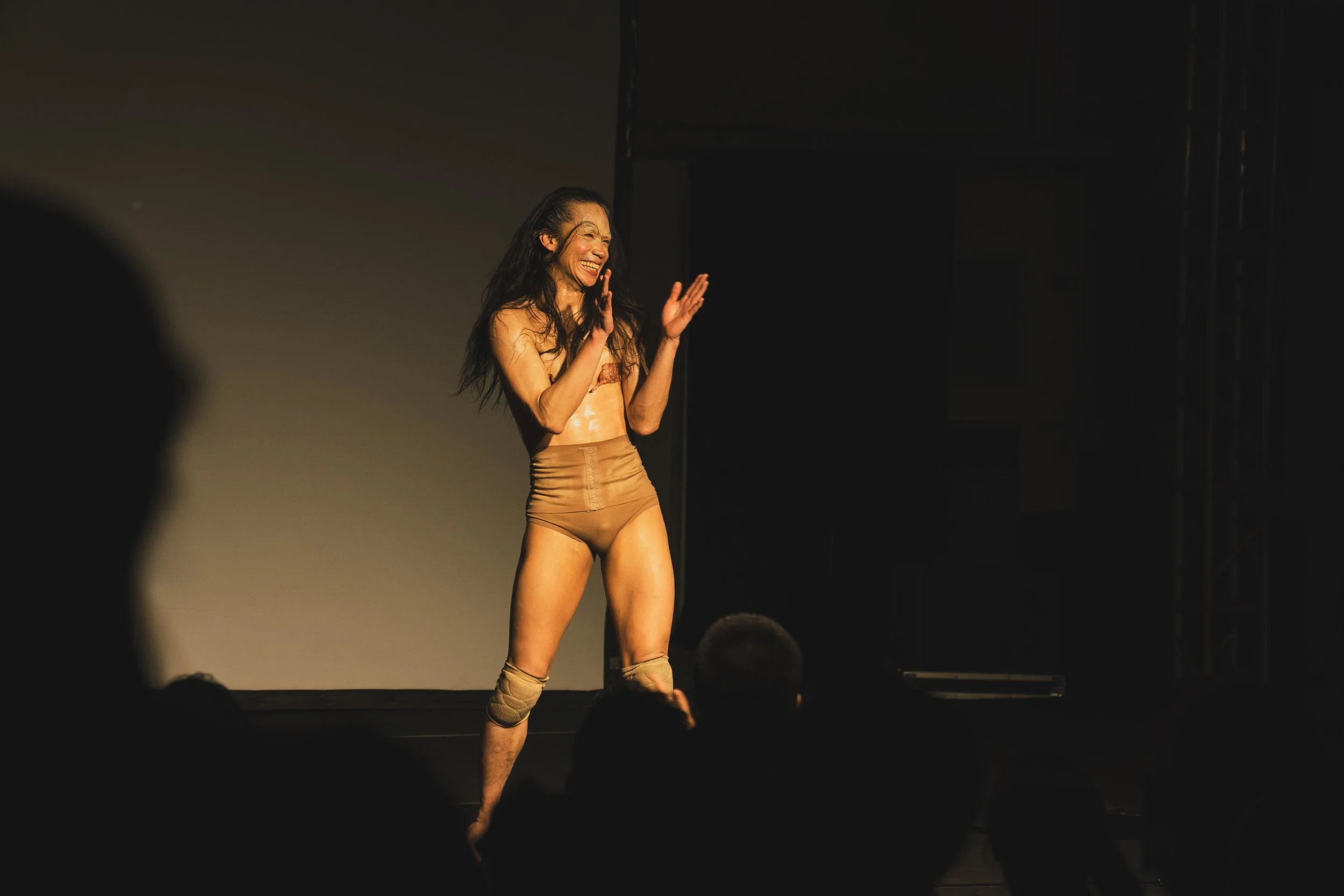
The Filipino diaspora is one of the largest diasporas in the world. Filipinos are known for their warmth, hospitality and over giving / sacrificial nature. In the global service economies, Filipinos are ranked to be one of the largest in labour exports when it comes hospitality, health care and entertainment. Filipino migrant workers not only contribute to the economy of which they work, they also contribute 9% of the Philippine GDP. And with that, our migrant workers spend most of their life caring for others while remaining unseen themselves. How, by touring this work we can make that labour visible — their sacrifices, their efforts, their hard work, their celebrations, their loneliness, their assimilation, their contributions
I see Bibingka not only as a performance but an ecological practice, a practice of creating space for their stories to be heard, celebrated and seen.
Join us in being a part of this ecology and let’s tour this work together!
Key Topics: Filipino Migration, Diaspora Drag, Contemporary Dance, Postcolonial Critique, Entertainment Economies